
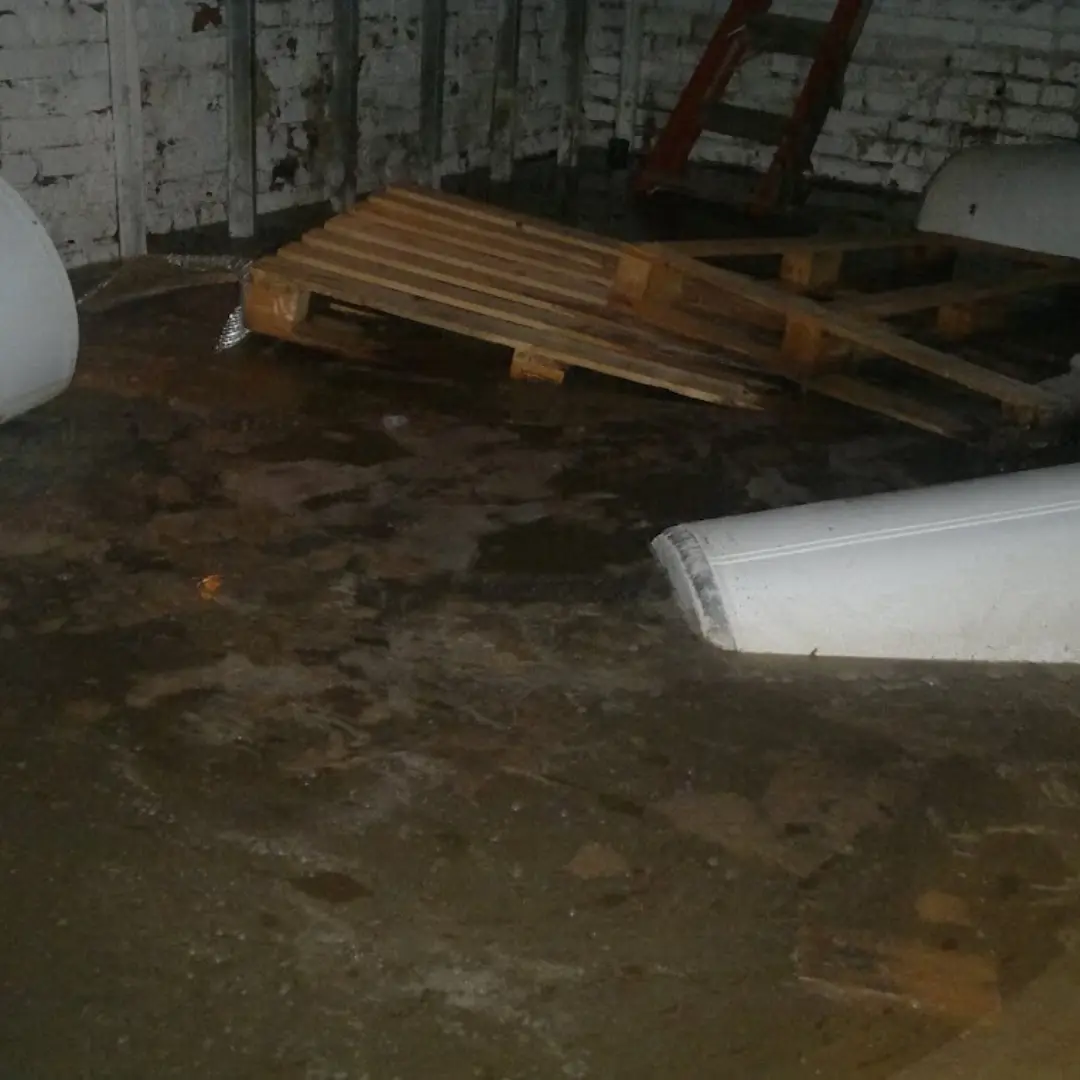
September through November is seepage season in Toronto. The rain picks up. The ground gets saturated. And suddenly, homeowners in North York, Scarborough, Etobicoke, and across the GTA start noticing that musty smell in the basement. Or worse, they find a wet corner. Or worse still, they discover mould behind the drywall weeks after the water started coming in.
The thing about basement seepage is that it's not like a burst pipe. Nobody wakes up to standing water. It's slower. Quieter. Which makes it more dangerous, because by the time you notice it, the moisture has already been working inside your walls.
What causes basement seepage in fall
Basement seepage happens when groundwater pressure builds up around your foundation and finds the path of least resistance through cracks, joints, or porous concrete. In fall, three things align to make this worse:
- Increased rainfall. September and October bring heavier, more consistent rain than summer. A saturated foundation has nowhere for that water to go except down and through.
- Leaf debris in gutters and drains. Trees shed, gutters clog, and water pools right against your foundation instead of draining away. Postwar bungalows and century homes in Oakville and Richmond Hill are especially vulnerable because older grading often doesn't slope away from the house anymore.
- Failing or undersized sump pumps. By fall, a sump pump that's been sitting idle all summer might not be ready. The float switch gets stuck. The battery backup is dead. And suddenly the system that's supposed to keep groundwater out of your basement is offline.
Where seepage starts (and why you don't notice it at first)
Seepage typically enters at three points: the corner where the basement wall meets the floor, the wall itself if there's any crack or cold joint, and the floor slab if hydrostatic pressure builds enough. The problem is that these are often the last places you look.
Most people don't spend time in the corners of their basement. The light is bad. It's dusty. If there's finished drywall, you can't see the concrete behind it. Water seeps in at the corner, soaks into the concrete and the rim joist, and by the time the damp spreads far enough to reach an area you actually see, the damage is weeks old.
We get called to homes in Vaughan and Markham where the homeowner found a musty smell but no visible water. We pull out a moisture meter and find the corner studs are already at 40 to 50 percent moisture content. Mould is either already growing or about to start. What started as seepage has become a mould remediation job.
How to spot seepage before it becomes mould
Do this now, before the rain really starts:
- Smell the corners. Walk your basement and sniff. A basement should not smell musty. If it does, that's moisture. Visit the corners especially, and the areas where you have finished drywall. A musty smell means water is already there, probably hidden.
- Look for efflorescence. This is white, salt-like powder on concrete. It means water has been moving through the concrete and leaving minerals behind as it evaporates. If you see it, seepage has been happening, even if you don't see liquid water.
- Check for softness at the base of walls. Push gently on the bottom edge of any drywall in your basement. Does it feel spongy or soft? That's rotting drywall from years of seepage wicking up. By the time you feel it, the damage is deep.
- Look for water marks or stains on the floor or walls. These are old waterlines. They show you where water has been during previous wet seasons. That's likely where it'll come back.
- Check your gutters and downspouts. If they're clogged or draining water toward the foundation, fix that now. In a Mississauga home we saw recently, the downspout was dumping water right at the corner of the foundation. That corner was soaked. Rerouting the downspout away from the house would have prevented the entire problem.
The difference between seepage and a bigger problem
Seepage is slow, steady moisture entering through the foundation. It's not a sump pump failure, which would send gallons an hour into your basement. It's not a burst pipe. It's not a sewer backup. It's the quiet kind of water damage, which is why it's so often overlooked until the damage is serious.
That said, seepage can turn into a bigger problem fast. If your sump pump quits and you have a heavy rain, seepage can turn into a full basement flood overnight. The groundwater pressure just keeps building.
The other risk is mould. Moisture sitting in a wall cavity for weeks with no ventilation is a mould farm. Once mould starts growing inside a wall, you need professional mould remediation and inspection to stop it safely. Surface cleaning doesn't work. The mould is in the insulation, the studs, the paper facing on the drywall. It has to come out.
What to do if you have seepage right now
First, stop the water from getting in. This might sound obvious, but it's the part homeowners often skip while looking for a perfect permanent solution.
- Clear your gutters and downspouts. Disconnect downspouts so water drains away from the foundation, or extend them so water lands at least 6 feet out from the house. This alone stops a lot of seepage.
- Improve grading if you can. Slope soil away from your foundation so water runs away, not toward it. Even just adding 4 to 6 inches of soil graded away from the house helps. Check that the soil doesn't trap water against your rim joist.
- Test your sump pump. If you have one, check that the float switch moves freely, that the discharge line isn't frozen or blocked, and that the battery backup has a charge. A sump pump that's been off all summer might not start when you need it.
- Dry out the wet area. If drywall is wet, it needs to dry quickly. A commercial dehumidifier or a rented wet/dry vacuum helps, but don't rely on residential equipment alone. Professional floor drying equipment can handle the moisture load better.
For a permanent fix, options range from sealants to french drains to foundation repair. But before you spend thousands on a basement waterproofing system, solve the water management problems around your home first. Often that's enough.
When seepage means you need to call a professional
Call a water damage restoration company if:
- You have seepage and also visible mould or a musty smell that won't go away.
- The wet area is larger than a few square feet or spans more than one location.
- Water is coming up through the basement floor, which usually means hydrostatic pressure is high and your sump pump is not keeping up.
- You've had seepage before and it's coming back despite repairs you've made.
- You're not sure if the moisture is from seepage or a hidden leak or condensation from your HVAC system.
A certified restoration team can use moisture meters and thermal imaging to see where the water is and where it's been. We can dry the affected area properly so mould doesn't start. And if you need insurance claims for the damage, we bill directly to your insurer and handle the documentation.
Why fall seepage is easy to ignore and expensive to fix late
October is when we get calls from homeowners who noticed seepage in August or September but thought they'd wait and see. "It looked like it was getting better," they say. "We thought it was just from that one big rain."
By October, the wall cavity has been damp for a month. Mould has started. The drywall is soft. The rim joist is rotting. What was a 3,000 dollar water damage cleanup in August is now a 12,000 dollar mould remediation and rim joist repair.
Don't wait. If your basement smells musty or you see a wet spot as fall rains start, call someone now. The cost difference between catching it early and waiting is not trivial.
One more thing
Seepage is the most preventable kind of water damage. Gutters, grading, sump pump maintenance, and knowing what to look for are all things you can control. Most of the calls we make in October and November are from homes where the problem was visible in September but nobody paid attention yet.
If you're in Toronto, Mississauga, Vaughan, Markham, Scarborough, North York, Etobicoke, Richmond Hill, or Oakville, and you're noticing moisture or a musty basement smell as fall rains start, call The Preferred Group at 647-563-9966. We can assess what's happening and tell you exactly what needs to happen next. If it's covered by insurance, we bill your insurer directly.
The Preferred Group
IICRC Certified restoration team. Toronto-based, working across the GTA since 2006. 6,000+ projects under our belt.