
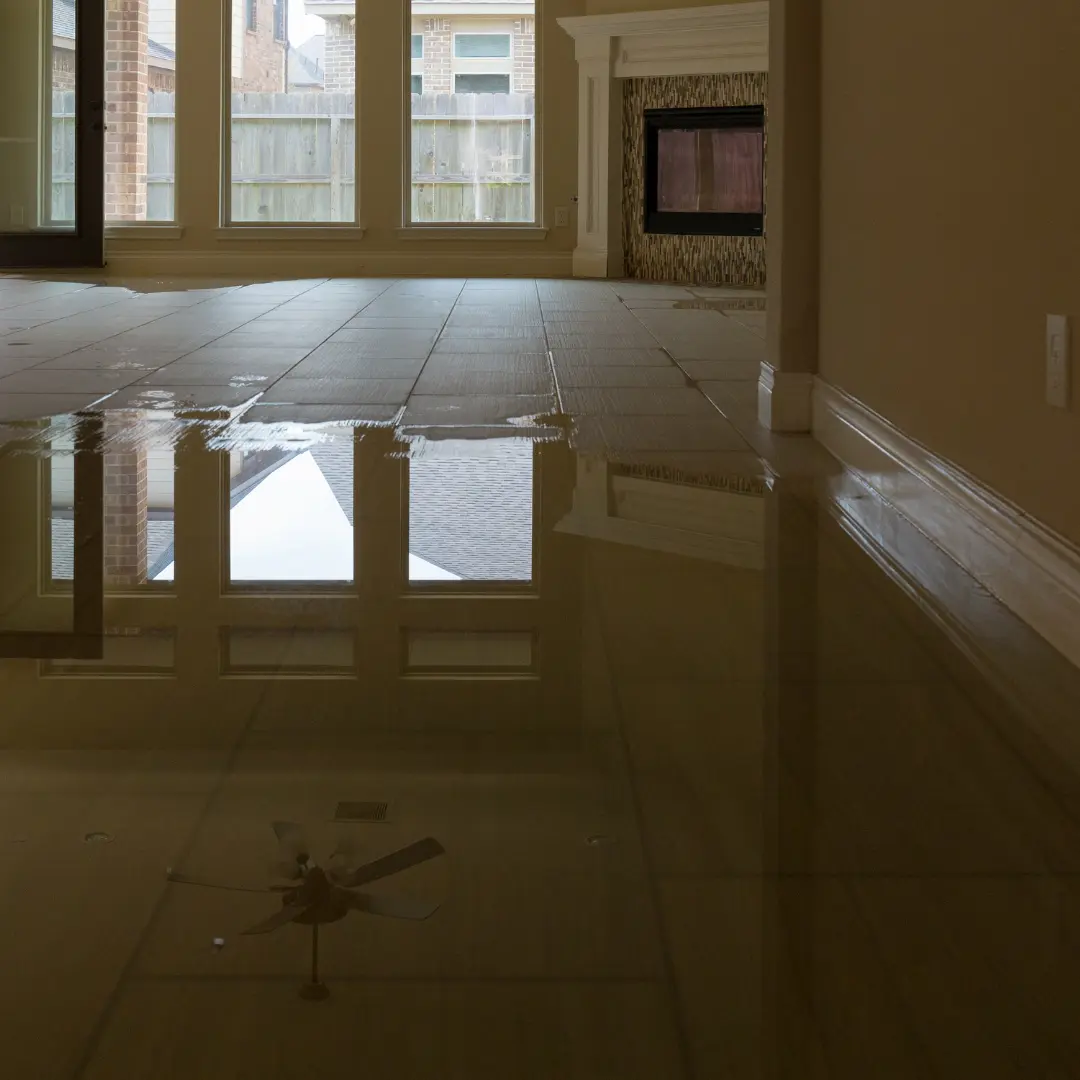
Sewer backup is the single most common water damage call we get in May. Spring in Toronto means heavy rain, saturated ground, and a city full of homes sitting on infrastructure that was never designed for this much runoff. If your home is in an older neighbourhood, that water has a way of finding its way up through your basement floor drain.
Here's why it happens so often in Toronto specifically, and what to do when it does.
Why older Toronto homes deal with sewer backup so often
A huge chunk of Toronto's housing stock dates from the 1940s to the 1960s. Postwar bungalows in Scarborough and North York. Semis along the Danforth corridor. Century homes in Cabbagetown and The Annex. Row houses in Leslieville and Parkdale. It's part of what makes Toronto's neighbourhoods feel the way they do.
The problem is that many of those same neighbourhoods sit on combined sewer systems. In a combined system, storm runoff and sanitary sewage share a single pipe running under the street. This was standard engineering for decades and it works fine most of the year.
Then you get a heavy May storm, the kind that drops 40 to 50mm in a few hours, and those pipes reach capacity fast. When the system is overwhelmed, water looks for somewhere to go. In a lot of cases, that somewhere is up through your basement floor drain.
East York, Rosedale, Parkdale, and older parts of Etobicoke are particularly prone to this. If you've had unexplained basement flooding more than once, combined sewer overflow is often the answer.
Aging lateral pipes: the other cause nobody talks about
Even homes on separated sewer systems, where storm and sanitary lines run independently, can still back up. And this catches a lot of homeowners off guard.
A clay tile drain lateral from 1955 has had 70 years to crack, settle, and offset at the pipe joints. The mature maples and oaks that make Leslieville and Rosedale look so good in October? Their root systems are relentless. They find the moisture leaking from those old clay joints and grow right into them.
A partial root blockage handles your normal daily flow just fine. Add spring storm volume to a partially blocked lateral and that's when you get the backup.
You won't see it coming. The pipe looks fine from the surface. We've pulled tree roots out of lateral pipes that were nearly solid, in homes where the owners had zero idea the problem existed.
What sewer backup actually looks like in real time
The early warning sign is your basement floor drain gurgling or bubbling when you flush a toilet upstairs. That's pressure in the drain system trying to equalize, and the floor drain is the lowest exit point in your house.
Once the backup starts, you'll see grey or black water rising up through that drain. In a full backup it overflows onto the floor. Sometimes the basement toilet or laundry sink backs up as well.
Sewage water is classified as Category 3 (black water) under IICRC standards. It contains bacteria, viruses, and pathogens you genuinely do not want contact with. Rubber boots are not enough. This is not a mop-and-bucket situation.
What to do the moment you see it
Stop using all water in the house. No flushing, no running taps, no dishwasher, no washing machine. Every litre that goes down any drain adds volume to a system that is already backed up.
Get kids and pets out of the basement. Do not walk through it without proper protective equipment.
Pull out your phone and shoot video before touching anything. Pan across every corner, every wall, the flooring, the drain. That footage is your insurance claim. Do it before you move a single item.
Then call a restoration company. Sewer backup remediation requires protective equipment, commercial extraction, disinfection, and thorough structural drying. The cost of proper professional cleanup is a lot easier to manage than the cost of a mould remediation job three weeks later because the cleanup wasn't done right the first time.
We handle sewer backup calls across Toronto, Mississauga, Vaughan, Markham, Richmond Hill, and the rest of the GTA. Call us at 647-563-9966 any hour, day or night.
Should you install a backwater valve?
A backwater valve is a one-way device installed on your drain lateral where it exits the foundation. When sewage tries to reverse up that pipe, a flap closes and blocks it. It doesn't fix the root cause, whether that's a combined sewer or a clogged lateral, but it protects your basement from the backup itself.
Installation in Toronto typically runs $2,500 to $4,500, depending on pipe depth and access. The City of Toronto has a Basement Flooding Protection Subsidy Program that can offset up to $3,400 of that cost for eligible homeowners. Check the City of Toronto website for current program details and whether your address qualifies.
If you've had sewer backup more than once, a backwater valve is worth doing. A single bad backup in an older Toronto home can run $8,000 to $20,000 in water damage restoration costs. The valve pays for itself the first time it closes.
What your home insurance covers (and what it probably doesn't)
This is where a lot of GTA homeowners get a painful surprise. Standard home insurance in Ontario does not cover sewer backup by default. It's almost always a separate endorsement or rider on your policy, and plenty of people don't know they're missing it until they need to file a claim.
Sewer backup coverage typically adds $50 to $150 per year to your premium. If you're in a neighbourhood with a combined sewer system, or in a home with older drain infrastructure, it's worth adding. One cleanup without it can cost you five figures out of pocket.
If you do have the coverage, call us before you call your insurer. We work directly with most major insurance companies operating in Ontario. We can bill them directly and handle the paperwork on our end, so you're not managing the back-and-forth while trying to get your house back together.
One thing to check before the next big storm
Go down to your basement and find your floor drain. Make sure it has a functioning trap seal (a small amount of water sitting in the trap). If it's dry, pour a bucket of water in it. A dry trap is an open path for sewer gases and, in a backup situation, for sewage itself.
While you're down there, look at any exposed drain pipes. See any white chalky deposits, rust staining, or mineral buildup around joints? That can indicate slow leaks or aging pipe connections worth having a plumber look at before they become a bigger problem.
Sewer backup in an older Toronto home is common. It's not a sign you've done anything wrong. It's a known limitation of aging infrastructure in a city that grew very fast. The difference between a manageable cleanup and a major remediation job is almost always how fast someone picked up the phone.
If you're seeing water in your basement right now, or if you've just had a backup and aren't sure what comes next, call us at 647-563-9966. Someone picks up every time, any hour.
The Preferred Group
IICRC Certified restoration team. Toronto-based, working across the GTA since 2006. 6,000+ projects under our belt.