
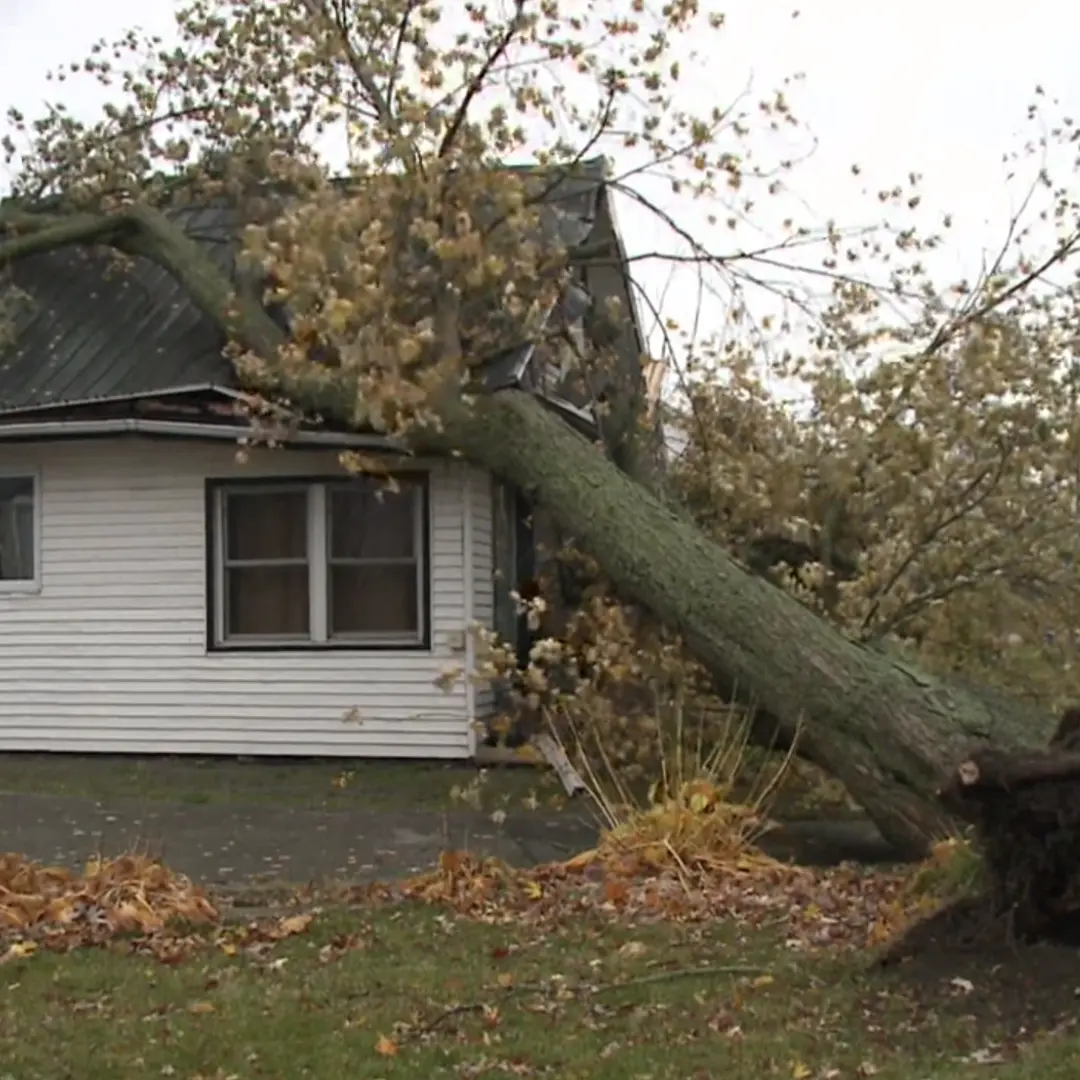
We get more basement flood calls in July and August than in any other two-month stretch of the year. That surprises a lot of homeowners. Most people assume spring is the dangerous season. Spring does bring flooding, but it comes on gradually. Snowmelt and steady rain over days gives the ground and the storm sewers time to respond.
Summer thunderstorms are a different problem entirely. A line of cells rolling up from Lake Ontario can drop 40 to 60 millimetres of rain in under an hour. The city's combined sewer system, much of which runs under streets built in the 1940s and 50s, cannot move water that fast. When it backs up, the water goes somewhere, and that somewhere is usually a basement in Toronto, Scarborough, Etobicoke, or North York.
The 2013 storm dropped over 100 millimetres in parts of the GTA in about two hours and caused roughly $940 million in insured losses. More than 6,000 homes reported basement flooding from that single event. We were working round the clock for six weeks after it hit. Summer flooding in this city is not a hypothetical.
Why summer storms cause more basement flooding than spring rain
The mechanism is different from what most people picture. Spring flooding in a Toronto basement is usually groundwater, either from a saturated water table pushing through the weeping tile, or a sump pump that can't keep up with steady inflow. You can often address that with a better pump and some drainage improvements.
Summer storm flooding is surface water trying to get underground fast. When the storm sewers in your neighbourhood hit capacity, water backs up through floor drains, window wells, and any gap in the foundation it can find. In homes with older combined sewers, sewage can come back up through the drain as well, which turns a flooding event into a biohazard cleanup.
Clay soil, which covers a large portion of the GTA, makes this worse. Clay doesn't absorb water during a fast downpour. It sheds it, sending runoff across the surface toward the nearest low point, which is often your foundation.
Five things to check before the next storm
Most of these take less than an hour and cost next to nothing. Walk through them now, before July gets here.
Downspout extensions. This is the most overlooked and most fixable issue we see. Every downspout should discharge water at least two metres away from your foundation wall. Many GTA homes have downspouts that terminate six inches from the house. Every rain event pushes water straight toward the weeping tile. A downspout extender from any hardware store costs about $15 and redirects that water to the lawn. Do every downspout on the property.
Window wells. Basement window wells fill up with leaves, debris, and standing water over time. Each one should have gravel at the bottom for drainage, and a plastic dome cover to deflect direct rainfall. Without a cover, a heavy storm can fill the well in minutes and push water through the window frame and into the basement. If your wells have been accumulating debris all spring, clear them out now.
Sump pump test. Pour a five-gallon bucket of water into the sump pit and watch the float rise. The pump should kick on well before the pit reaches the top. If it doesn't start, or if it runs without lowering the water level, something is wrong. Also check whether you have a battery backup unit. During a bad storm, power outages happen frequently in older Toronto neighbourhoods, and that's exactly when the sump pump needs to be running.
Lot grading. The ground around your foundation should slope away from the house, not toward it. Over years of settling and landscaping changes, a lot of Toronto homes have developed a slight depression at the base of the foundation wall. Even a few centimetres of negative slope directs water toward the house instead of away from it. Top up low spots with compacted fill before the summer storm season gets going.
Eavestroughs. Clogged eavestroughs overflow during heavy rain and dump water directly beside the foundation. If you haven't cleared them since fall, do it this week.
Older Toronto homes face specific risks
If your home is pre-1960s, particularly in neighbourhoods like the Junction, the Beaches, Leslieville, Runnymede, or older parts of North York, you're likely sitting on a combined sewer system. That means storm water and sanitary drainage share the same underground pipe. When the system backs up during a major storm, sewage can flow backward through your basement floor drain.
A backwater valve on your drain line prevents this. It's a one-way gate that allows water to flow out but blocks reverse flow when the city's system pressurizes. Toronto's Basement Flooding Protection Subsidy program covers up to $3,400 toward installation of a backwater valve and sump pump. If you've had sewer backup before or you're in a neighbourhood with an older combined system, this is worth doing before next summer.
Postwar bungalows in Scarborough, Etobicoke, Mississauga, and Vaughan often have a different issue: weeping tile systems that have reached the end of their service life. The clay or orangeburg tile used in the 1950s and 60s collapses over time, which means the drainage system around the foundation isn't moving water anymore. A flooded basement in one of these homes after a storm often isn't coming from above. It's groundwater with nowhere to go.
What to do if water gets in this summer
Even with all the prep work done, some summer storms in the GTA are just too intense. If you get water in your basement this season, a few things matter a lot in the first hour.
Document before you touch anything. Shoot video of every corner of the basement before moving a single item. Pan across the walls to capture waterlines. Film the flooring, contents, and ceiling if affected. That footage is your insurance claim, and adjusters work from documentation.
If the water smells like sewage or is coming up through the floor drain, do not go in without proper protection. Keep kids and pets out. Category 3 water (sewage-contaminated) carries real health risks and needs professional decontamination, not a mop and bucket.
Call your insurer early. Standard Ontario home insurance often covers sudden water damage from storm events, but the coverage depends on how the water got in. Sewer backup is usually a separate add-on. Know your policy before cleanup starts, because what you do in the next few hours can affect the claim.
Then call a restoration company. Water that sits for 48 hours or more begins attacking structural framing and creates conditions for mould growth inside wall cavities. The flood restoration process is dramatically simpler and less expensive when it starts within the first day. Our IICRC certified team handles water extraction, structural drying, and direct insurance billing across the GTA, 24 hours a day.
Summer flooding in Toronto is common, and it's getting worse
The city's own data shows that severe storm events in the GTA are increasing in frequency. The infrastructure in many older neighbourhoods was not designed for the intensity of rainfall that has become normal in recent summers. That's not a reason to panic, but it is a reason to spend a Saturday afternoon walking your property and fixing the obvious stuff.
Check the downspouts. Clear the window wells. Test the sump pump. Walk the perimeter after a moderate rain and watch where the water pools. Those 90 minutes of attention now will protect you through July and August.
If you're not sure about the state of your drainage, or if you've had water in the basement before and never got to the bottom of why, call us. We can walk through the property with you and tell you where you're vulnerable.
And if a summer storm gets you before you get to the prep work, call 647-563-9966 right away. Someone picks up every time, any hour of the day or night.
The Preferred Group
IICRC certified restoration team. Toronto-based, working across the GTA since 2006. 6,000+ projects under our belt.