
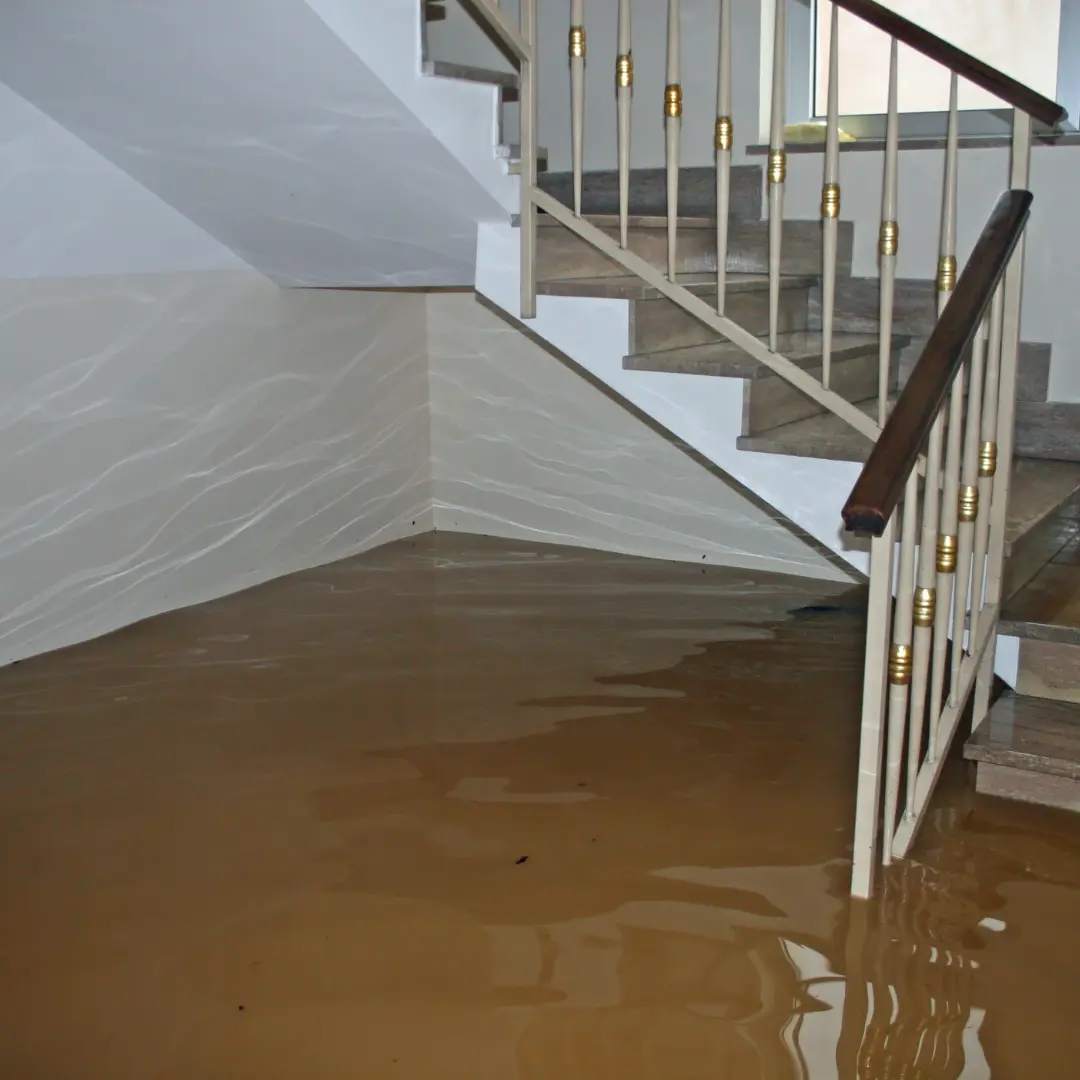
Your sump pump is one of the most important things protecting your Toronto basement. And most homeowners don't think about it until water starts coming in.
Late September is when you should test and maintain your pump before fall rains and spring melt hit hard. We see a spike in sump pump failures every October when the heavy rain season starts, and most of those failures are preventable with a quick maintenance check.
Why now matters for sump pump maintenance
The Greater Toronto Area gets significant rain from September through April. Your sump pump works overtime during this period, pulling groundwater and storm water out of your basement before it floods. If your pump is on borrowed time, fall is when it fails.
A sump pump failure during heavy rain means water backs up into your basement in hours, not days. By the time you realize there's a problem, you've got wet floors, drywall saturation, and a mould timeline already running. That's when emergency restoration costs jump from hundreds of dollars to thousands.
Fifteen minutes of maintenance now can prevent that whole scenario.
Check 1: Clear the discharge line from blockages
Your sump pump moves water out of your basement through a discharge line that runs to the exterior of your home. In fall, that line fills with leaves, debris, and sediment.
If the outlet gets clogged, water can't escape. The pump runs constantly trying to empty a basin it can't fully drain. The motor overheats and fails. Or water backs up and floods your basement anyway.
Walk around your home and find where the discharge line exits. It's usually a white PVC pipe at ground level or near the foundation. Look for leaves, debris, or cracks in the pipe. If the outlet is blocked, clear it by hand or with a shop vac. Follow the line back toward the house and check for any visible clogs.
While you're at it, check that the water discharges far enough away from your foundation. It should drain at least 6 to 10 feet away. If it's dumping water right against the foundation, you're just moving the problem around.
Check 2: Test the float switch by pouring water into the basin
Your sump pump's float switch is the trigger that tells the pump to turn on. When water rises in the basin, the float rises with it. When it hits a certain level, the switch flips and the pump starts running.
If the switch gets stuck, your pump won't start even when water builds up. You'll come home to a flooded basement and a pump that never turned on.
Test it by slowly pouring a bucket of water into your sump basin. Listen for the pump to kick on. You should hear a hum or rumble when the float rises. Let the pump run for a few seconds, then let the basin empty. The pump should turn off automatically.
If the pump doesn't start, don't ignore it. The float switch may be stuck, the pump may have lost power, or the pump itself may be failing. Call for service before you need it for a real flood.
Check 3: Listen for unusual sounds during operation
A healthy sump pump sounds like a quiet hum for 10 to 20 seconds. If you hear grinding, squealing, rattling, or loud vibrations, something is wearing out.
Grinding usually means the impeller (the spinning part that moves water) is hitting debris or bearing failure is starting. Squealing is a sign of bearing wear. Rattling can mean the motor is working loose or internal parts are damaged.
These sounds mean your pump is nearing the end of its life. A sump pump typically lasts 7 to 10 years if it gets regular maintenance, but sounds like these mean you should budget for replacement soon. Don't wait for it to fail mid-storm. Get a new one installed before fall.
Check 4: Test your battery backup sump pump if you have one
A battery backup sump pump is one of the best investments for a Toronto basement. When the power goes out during a storm, your main pump stops working. A backup battery system keeps running, pumping water out while everyone else's basements are flooding.
If you have a battery backup, test it by unplugging your main pump and pouring water into the basin to trigger the battery system. You should hear the backup pump kick in and start draining the water.
If the battery backup doesn't engage, the battery may be dead or disconnected. Check the connections, look at the battery charge indicator, and consider replacing the battery if it's more than a few years old. A dead backup battery is no backup at all.
Check 5: Inspect the check valve in the discharge line
The check valve is a one-way flapper in your discharge line. It lets water flow out of your basement but prevents water from flowing back in when the pump shuts off.
If the check valve fails, water runs back into your sump basin every time the pump shuts off. The pump has to start up again immediately to drain it. Your pump runs constantly, the motor burns out fast, and you end up with a failed sump pump halfway through the season.
Look for the check valve in the discharge line between the pump and the exterior. It looks like a small chamber with a flapper inside. If you see cracks, corrosion, or water leaking backward into the basin, the valve needs replacement. It's usually an easy DIY fix if the valve is accessible, or a quick service call if it's harder to reach.
When to call for professional help
If your pump doesn't respond to the float test, makes grinding or squealing sounds, or the battery backup doesn't work, don't wait. Those are signs of imminent failure.
A new sump pump installation costs between $800 and $1,500 in the Greater Toronto Area depending on your setup. Replacing one after a flood costs the same for the pump plus thousands more for water damage restoration, mould remediation, and drywall replacement.
We work with homeowners in Toronto, Mississauga, Vaughan, Markham, Scarborough, North York, Etobicoke, Richmond Hill, and Oakville on sump pump replacement and water damage and drain backup restoration. If you're not confident doing the test yourself, or if anything sounds wrong with your pump, call us at 647-563-9966 and we'll do a full inspection.
One last thought
Sump pump maintenance is one of those things that feels like it can wait until next weekend. Then fall arrives, the rain starts, and suddenly your pump is working 24/7 and you're hoping it holds up.
Do the five checks above this week. It takes 20 minutes. If everything passes, you're done and you can sleep through the next storm knowing your backup is solid. If something doesn't work right, you've caught it now instead of at 2 a.m. when water is coming in.
If you have any concerns about your pump or you're not sure what you're looking at, call us at 647-563-9966. We offer free sump pump inspections and we'll tell you straight whether your pump is good or whether it needs to come out before the season.
The Preferred Group
IICRC Certified restoration team. Toronto-based, working across the GTA since 2006. 6,000+ projects under our belt.