
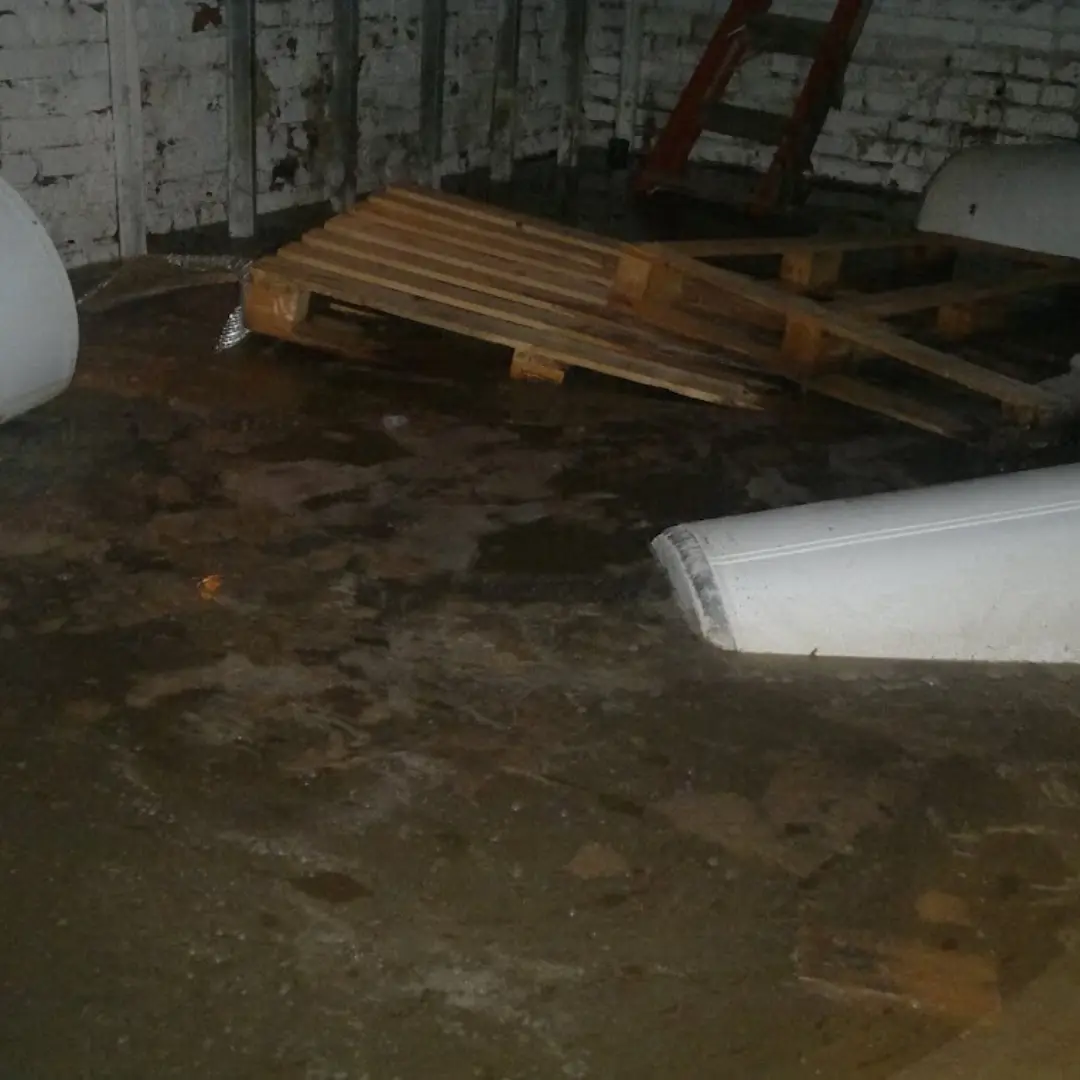
If water is actively coming into your basement through the walls right now, stop reading and call 647-563-9966. Call first, read second. We mean this.
If you've just noticed water seeping into your basement walls and want to know what comes next, keep reading. We've responded to hundreds of Toronto-area homes where water is coming in through the foundation walls, and the outcome depends almost entirely on how fast the owner acts in the first few hours. The difference between calling immediately and waiting 24 hours is often the difference between a drying problem and a wall replacement project. This is not an exaggeration.
Why is water coming through your basement walls?
There are three common reasons water gets through foundation walls in Toronto homes:
- Hydrostatic pressure from the surrounding soil: When the ground around your foundation is saturated from heavy rain or spring melt, water pressure can exceed the structural capacity of your foundation. The water finds the path of least resistance, which is usually cracks, gaps, or mortar joints in older basement walls. This is most common in September and May in the GTA, when we get sustained heavy rain.
- A slow pipe leak inside the wall cavity: If water is coming from behind the drywall or from inside the wall assembly itself, you may have a burst or pinhole leak in a supply line. This usually produces a steady flow (not related to rain) and smells clean.
- Foundation cracks or deterioration: Older Toronto homes, especially those built before 1980, often have cracks in the foundation that widen over time. Water exploits these. Concrete also naturally degrades, especially if it's exposed to freeze-thaw cycles (which it constantly is in the GTA).
The important thing right now is not why it is happening. It is that it is happening, and you need to act.
What to do in the first 30 minutes
Stop the water if you can
If the water is coming from a pipe inside the wall (clean, steady flow, not related to rain), find your main water shutoff and close it. Most Toronto homes have the shutoff near the front foundation where the supply line comes in from the street. Turning this one valve can stop water from pouring into your walls immediately.
If water is seeping through the foundation itself (related to rain or ground saturation), you cannot stop this with a valve. Move to the next step.
Document everything
Pull out your phone right now and shoot video. Film the seepage point. Show where the water is coming in on the wall. Capture the rate of flow if it is significant. Take wide shots so you can see the room size and the extent of the affected area. If water is running along the floor, film that too.
Take photos of any visible waterlines, staining, or discoloration on the wall. Check if there are other entry points lower on the wall or at the floor line.
This documentation is essential for two reasons: your insurance claim, and for the restoration crew to understand what they are working with when they arrive.
Place buckets and move items away from the wall
Put buckets, tubs, or containers under the seepage point to catch water. Lay towels along the baseboard to absorb water running along the floor and prevent it from spreading across the basement. Move any stored boxes, finished items, or materials away from the affected wall immediately.
If you have a wet/dry shop vac, you can run it near the seepage point to catch water. Do not use a regular household vacuum.
Why the first hours matter more than you think
When water gets through basement walls in Toronto, what happens next determines the repair cost and timeline. Here is the critical timeline:
First 2 hours: Water is still on the surface of drywall, in the concrete, and in the top layers of framing. Industrial drying equipment can dry these materials in place. The wall stays. Cost to fix: $2,000 to $5,000 depending on the wall size and cause.
First 6 to 12 hours: Water has wicked into the interior cavity of the wall. It is saturating insulation, the back of drywall, and the base of the framing. Drying in place is still possible, but requires opening the wall strategically to place drying equipment inside the cavity. Cost increases: $4,000 to $8,000.
After 24 hours: Mould has started germinating in the wall cavity. The framing wood has absorbed water and is beginning to soften. At this point, drying in place may no longer be an option. The wall needs to come open, affected materials need to be removed, and the cavity needs to be rebuilt. Cost: $8,000 to $20,000 depending on the wall length and severity. Repair timeline stretches from days to weeks.
After 48 hours with no drying, structural repairs become likely. The only variable that changes this timeline is professional drying equipment and a crew that knows how to use it. A dehumidifier or regular fan in your basement will not prevent this sequence.
Call for water damage restoration right now
Do not wait for the rain to stop. Do not see if it dries on its own. Do not call your general contractor or handyman. Call a certified water damage restoration company in Toronto that has industrial drying equipment and experience with foundation wall water intrusion.
A restoration crew will:
- Assess the source of the water and whether it can be stopped (pipe vs. pressure)
- Determine if the wall can be dried in place or if sections need to be removed
- Place industrial drying equipment and monitor moisture levels in the wall cavity
- Detect and prevent mould growth while drying is happening
- Manage your insurance claim and handle billing if you have coverage
The cost of a professional response in the first few hours is far less than the cost of damage progression. We have seen homeowners try to wait it out, call after a few days, and end up with foundation repair bills that exceed $50,000 because structural damage was allowed to happen.
What about your insurance?
Water damage from a burst pipe is typically covered by standard Ontario home insurance. Water intrusion from hydrostatic pressure (ground saturation) is often not covered under basic policies, though some insurers offer optional sump pump overflow coverage or water backup coverage.
Call your insurance broker or policy holder right now, before the crew arrives. Tell them what is happening. Ask what is covered. If you have coverage, many restoration companies in Toronto can bill your insurer directly, so you do not have to manage the claim yourself.
If you do not have coverage for this specific water entry, you still need to call for restoration. The alternative is a much more expensive structural repair a few weeks from now.
Prevention for next time
Once the water damage is addressed and your basement is dry again, talk to the restoration crew or a foundation specialist about the root cause. Depending on whether the seepage is from a pipe, pressure, or a foundation crack, the solutions differ:
- For hydrostatic pressure seepage: Exterior waterproofing (expensive, $10,000+), interior water management systems, or a better sump pump with backup power. Interior backwater valves help if the seepage coincides with sewer backup.
- For cracks or foundation deterioration: Sealing from the interior (temporary), or structural repair (longer term).
- For pipe leaks: The affected section of pipe needs to be replaced. Future prevention is maintenance and attention to water bills that spike unexpectedly.
The cost of prevention is high, but it is still far less than dealing with ongoing water damage and the mould and structural issues that follow.
One more thing
Water coming into your basement through the walls feels like an emergency because it is. Thousands of Toronto homeowners wake up to this every year during our wet seasons (May and September especially). It is fixable. The outcome is determined by how fast you move in the first few hours.
Call us at 647-563-9966. Someone picks up every time, any hour, any day. We can often start drying the same day you call, especially if you call before 6 PM.
The Preferred Group
IICRC Certified restoration team. Toronto-based, working across the GTA since 2006. 6,000+ projects under our belt.