
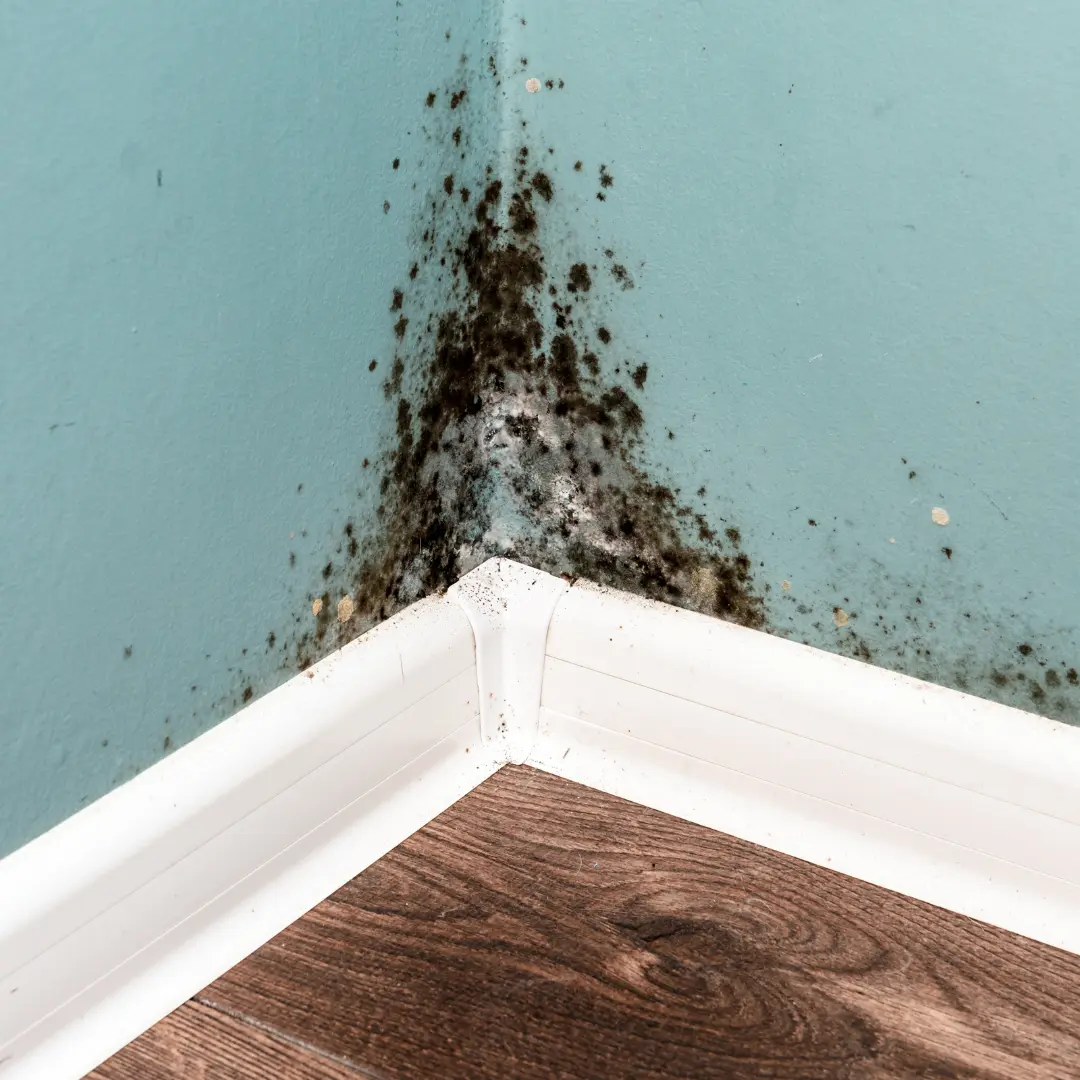
Most of the mould problems we find in Toronto basements started the same way: a homeowner noticed a smell and ignored it for a few months. Not because they didn't care. Usually they just weren't sure if it was mould or dust or old basement smell, so they cracked a window and moved on. By the time they called us, the smell had gotten worse, and the mould had spread behind the drywall where it couldn't be seen.
That's the thing about mould smell. It gets ignored easily at first. But once you know what to listen for (or rather, what to smell for), you can catch it early and save yourself thousands in remediation costs.
What does mould actually smell like?
Mould doesn't have one smell. There's no single "mould odour" that everyone recognizes. Most people describe it as musty. Earthy. Like a wet cellar or an old, damp basement that hasn't seen fresh air in months.
If you've ever opened a closet in an old Toronto home or the back of a humid basement cabinet, that smell you get? That's usually mould. Not mildew (which is on the surface and less serious), but actual mould colonies growing in the wood, drywall, or insulation.
Some people describe it as wet cardboard mixed with dust. Others say it's like a wet forest after rain. In older Scarborough and North York homes with century homes and postwar bungalows, the basements can have that smell even when the humidity is normal. That's usually mould growing on framing or under the basement slab.
What's the difference between mould smell and just a musty basement?
Not every musty basement has mould in it. A basement can smell damp just from humidity and poor ventilation, with no mould present. Here's how to tell them apart:
- Just musty: It's a faint, damp smell. Goes away when you open windows or run a dehumidifier for a few hours. Comes back when humidity rises. No visible spots or discoloration.
- Mould smell: It's pungent and persistent. Doesn't fade with ventilation. Often comes from a specific area of the basement, not everywhere. Gets worse in spring or after heavy rain, because it's feeding on moisture.
If the smell is strong enough that visitors notice it within 30 seconds of walking downstairs, it's almost certainly mould, not just humidity.
Where to smell first if you're worried about mould
Mould grows where water sits or moisture concentrates. Walk to these places first:
- Foundation corners and seams: Especially Vaughan and Markham homes with clay soil and high water tables. Where the foundation meets the floor, around the perimeter.
- Under or behind window wells: Particularly common in Richmond Hill and Oakville. Even dry-looking wells concentrate moisture.
- Along the rim joist: The wood framing at the top of the foundation wall. Toronto's humidity does a lot of damage here.
- Basement ceiling: Pipes running overhead leak slowly, and condensation collects on the joist. Mould grows quietly above your head.
- Around HVAC equipment or water heater: Condensation lines back up, or small leaks drip for weeks unnoticed.
- Drywall that was ever wet: A flood three months ago, or a sewer backup that you cleaned up. If drywall stayed wet more than 48 hours, mould is probably growing inside it now.
When can you handle the smell yourself, and when do you need to call?
Not every musty smell needs a professional call. But the line between "I can handle this" and "I need a crew" is pretty clear.
You can probably handle it yourself: If the smell is faint, limited to one small area, not getting worse, and you don't see any visible mould, you might just have a humidity problem. Get a dehumidifier. Check your gutters. Make sure downspouts discharge at least 6 feet from the foundation. Seal any cracks in the foundation walls with hydraulic cement. Run a basement exhaust fan in spring and fall. In Mississauga and Oakville, where newer homes have better ventilation, this often fixes it.
You need to call a professional: If the smell is strong, if it's concentrated in one area, if you see any dark spots or discoloration on walls or wood, if it got worse after rain or a flood, or if it doesn't improve after a month of running a dehumidifier. That's not a humidity problem anymore. That's active mould growth.
Here's the real math: a professional mould inspection and testing costs a few hundred dollars and catches the problem early. Waiting 6 months to save that money costs $2,000 to $5,000 in remediation when mould spreads into walls and framing. We've been doing this for 20 years and we've never once seen someone who wished they'd waited.
What happens if you ignore a strong mould smell?
Month one: It smells bad. Annoying, but you get used to it.
Month two to three: The smell spreads to other areas. You start finding faint spots on drywall or wood. You're opening windows year-round, even in January, because the smell is following you upstairs now.
Month four to six: Mould has colonized your framing, rim joist, or concrete. Remediation now needs structural work. Drywall comes off. Wood gets replaced. Costs have tripled.
This is especially true in older Toronto homes with plaster and lath, or postwar bungalows in Scarborough and North York with older framing. Once mould gets into those materials, it travels.
What mould remediation in Toronto actually costs
If we catch it early (small area, surface-level growth, no structural damage), mould remediation runs $800 to $2,000. We remove affected materials, use HEPA filtration, apply antifungal treatment, and monitor the space.
If it's gone deep into walls or framing, it's $3,000 to $8,000+. Drywall removal, framing repair, full decontamination.
That's why catching the smell early matters. The difference between a $1,200 fix and a $5,000 fix is usually about three months.
Do you have a mould remediation plan for fall?
September through November is when Toronto basements get damp again. After the dry summer, humidity climbs, and dormant mould colonies start growing again. If your basement has ever smelled musty, walk downstairs on a cool fall evening and pay attention.
If you get even a hint of that earthy, musty, wet basement smell, and especially if you see any dark spots, call us for a quick inspection. We can usually tell you in 15 minutes whether it's just dust and humidity, or whether you've got active mould that needs attention. That call costs nothing, and it saves you a lot of money down the line.
If your basement smells off and you're not sure whether you need mould remediation and inspection or just floor drying equipment, call us at 647-563-9966. We can guide you based on what you describe, and we'll tell you honestly if you need us or if ventilation will fix it.
The Preferred Group
IICRC Certified restoration team. Toronto-based, working across the GTA since 2006. 6,000+ projects under our belt.