
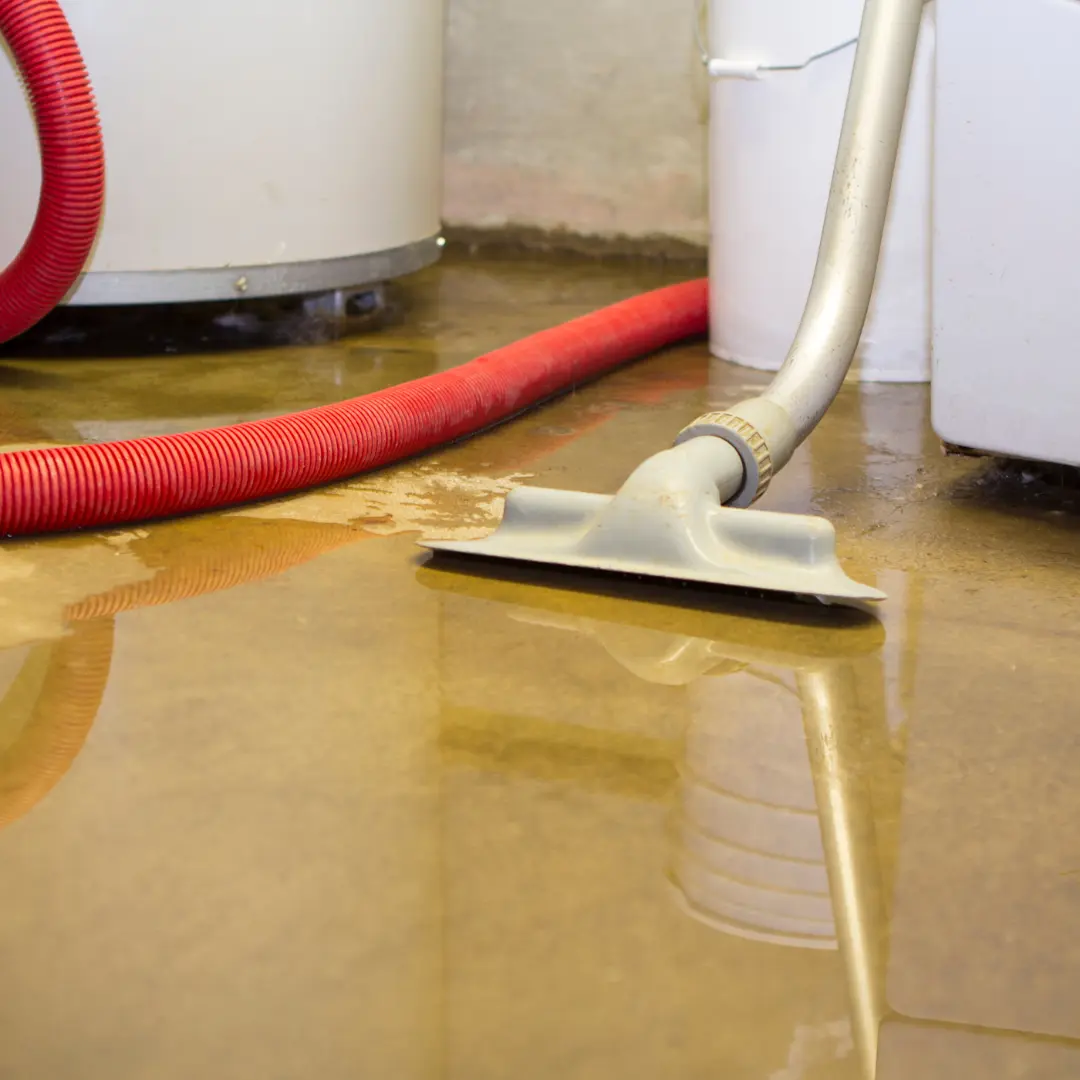
If you're reading this while standing in a few inches of water, stop, take a breath, and call a restoration company right now. The rest of this post will still be here when you get off the phone.
If you have a minute, keep reading. After 20 years and over 6,000 flood calls across the GTA, we've watched homeowners make decisions in those first frantic minutes that either saved them thousands of dollars or cost them a lot more. This is what we tell every single customer when we arrive.
Step 1: Kill the power before you do anything else
This is non-negotiable. Water and electricity in the same room can kill you. Head to your electrical panel and flip the breaker for the basement, or the whole house if you're not certain. If the panel is in the flooded area itself and you'd have to step in standing water to reach it, don't. Call your utility company and don't go downstairs until it's confirmed safe.
We know it's frustrating to wait. But we've seen the aftermath of when people skip this step, and it's not worth it.
Step 2: Figure out where it's coming from
Basements flood for a lot of different reasons, and what you do next depends on the source:
- Burst or leaking pipe: Find your main water shutoff. In most Toronto-area homes it's near the front of the foundation where the supply line comes in from the street. Close it. That stops new water from coming in immediately.
- Sump pump failure: Check if the float switch is stuck in the down position. Sometimes a manual reset is all it takes. If it's a power issue, a battery backup sump pump is worth every penny if you don't already have one.
- Sewer or drain backup: Stop using all water in the house. No flushing, no running taps, nothing. Then call for help. You can't fix this one yourself, and using water makes it worse.
- Storm water intrusion: If it's coming in through window wells or the foundation walls during heavy rain, there's not much you can do mid-storm except sandbag what you can and keep drains clear.
Step 3: Do not touch it if it's sewage
We want to be direct about this one. Sewer backup is not just dirty water. It contains bacteria, viruses, and pathogens that you genuinely do not want on your skin, and especially not in your lungs. No rubber boots, no shop gloves. This is a biohazard situation that needs proper protective equipment and professional decontamination.
We see people try to mop it up themselves, and we get the impulse to just deal with it. It's not safe. Leave the basement, keep pets and kids out, and wait for the crew.
Step 4: Document everything before you move a single thing
Pull out your phone and shoot video of every corner of the basement. Pan across the walls to capture waterlines. Film the contents, the flooring, the ceiling if it's been affected. Then take photos.
This footage is your insurance claim. Adjusters work off documentation, and a two-minute video walkthrough taken right after the flood is worth far more than descriptions after the fact. Do this before you move anything, even items you're certain are ruined.
Step 5: Move valuables if the water is clean and the power is off
If you've confirmed it's clean water (a pipe, not a drain), the power is off, and you have rubber boots, you can start moving small valuables, electronics, and important documents off the floor. Family photos, passports, hard drives, financial records. Get those up first.
One thing to watch: water-soaked furniture is dramatically heavier than you'd expect. Don't hurt yourself moving a couch. Leave the big stuff for the crew.
Step 6: Call your insurance company
Most standard home insurance policies in Ontario cover sudden and accidental water damage from things like burst pipes. Sewer backup is usually a separate add-on, so pull out your policy documents or call your broker now.
Report the claim early. The sooner you start the process, the smoother it goes. And if you call us, we bill your insurer directly, so you don't have to manage the back-and-forth yourself.
What NOT to do
- Don't use a regular household vacuum. They're not designed for standing water, and wet vacuuming with a regular unit is a fire and shock hazard. Use a wet/dry shop vac if you have one, but even that has limits.
- Don't assume fans and a dehumidifier will fix it. Residential fans move surface moisture. They do not dry out wall cavities, subfloor assemblies, or insulation. Mould can start growing in 24 to 48 hours inside walls that look dry on the outside. Professional restoration equipment is a completely different category of machine.
- Don't wait a few days to see what happens. We get calls from homeowners a week after a flood who thought things looked okay, and we find mould already growing behind the drywall. The remediation cost at that point is three to four times what immediate drying would have been.
When is DIY actually okay?
Honestly? If it's a very small amount of clean water (a slow toilet overflow you caught quickly, a minor appliance drip), and the affected area is under about 10 square feet, a shop vac and some fans pointed at the wet area might genuinely be enough. Monitor the space for moisture over the next week (a cheap moisture meter helps) and keep an eye out for any musty smell.
Anything bigger than that, anything involving a drain or sewer, anything that sat for more than a few hours, or anything where water got into walls or under flooring, call a professional. The math just doesn't work in favour of going it alone.
One last thing
Basement flooding feels completely overwhelming in the moment. We've watched people in shock, people in tears, people frantically googling at midnight with no idea who to call. It's okay. This happens to thousands of GTA homeowners every year, and it's fixable.
The properties that recover cleanest and fastest are the ones where someone made a call early. That's really it.
If your basement is flooding or you've just had a flood and aren't sure what to do next, call us at 647-563-9966. Someone picks up every time, any hour.
The Preferred Group
IICRC Certified restoration team. Toronto-based, working across the GTA since 2006. 6,000+ projects under our belt.