
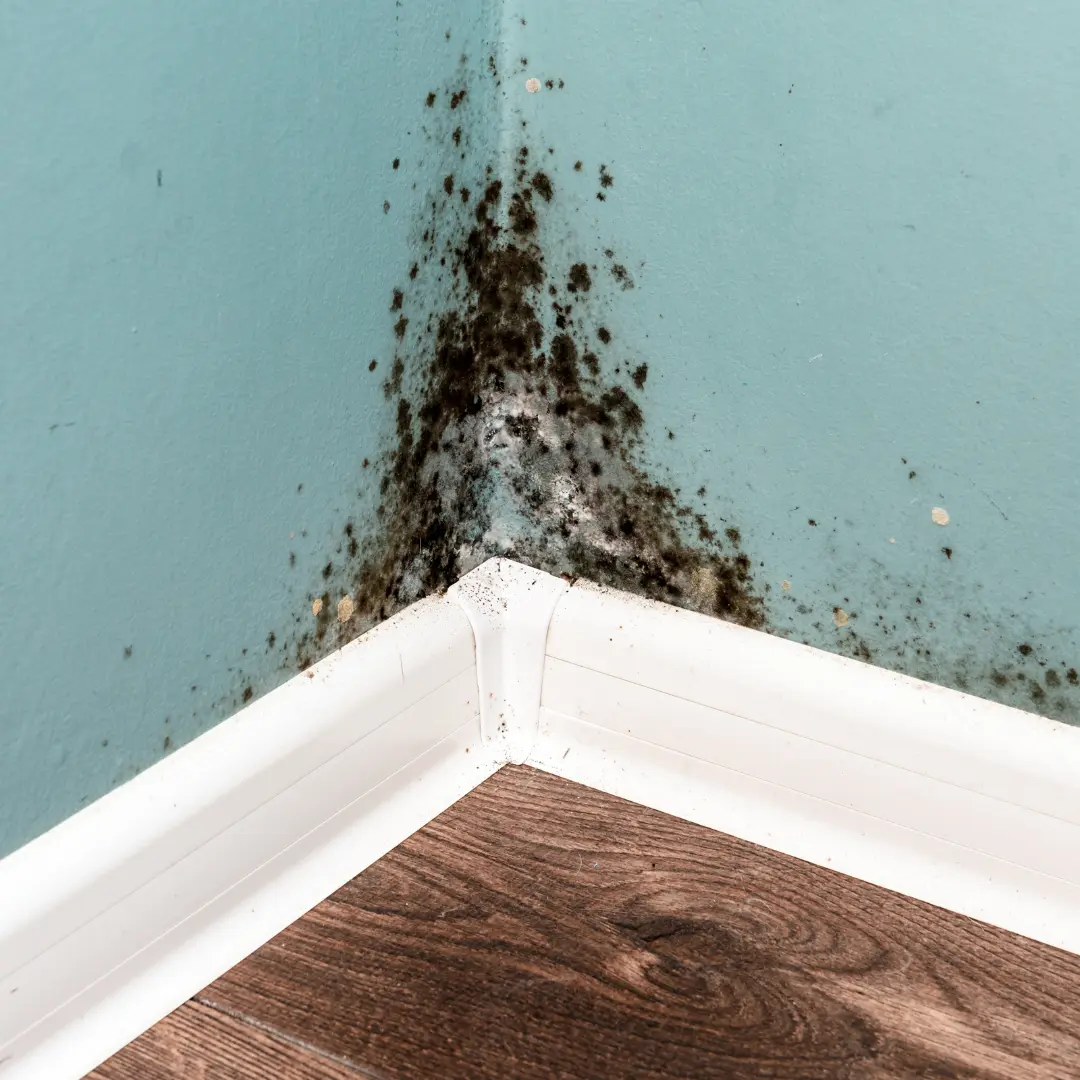
Mould Remediation in Markham
Mould inspection, containment, and removal for homes and businesses in Markham. IICRC certified specialists.
Mould removal and inspection in Markham
Markham's housing density creates a specific mould challenge that single-family detached homes do not face. In the stacked townhouses and semi-detached clusters of Cornell, Unionville, and Wismer, a plumbing failure or water intrusion in one unit does not stay in that unit. Moisture migrates through shared wall assemblies and floor systems, and the unit that experiences the mould problem is often not the unit that had the original water event. Tracing the source requires inspection across property lines, and we document both sides for insurance purposes.
The older Unionville area presents a different set of issues. Some of the housing stock there dates back over a century, and those properties have accumulated water events across multiple owners and decades. Stone foundations, older clay drainage, and wall assemblies that have been modified over generations create moisture pathways that are not always obvious. Mould in Unionville's older homes can be deeply embedded in the framing and require more extensive removal than a newer home of equivalent size.
In newer Markham subdivisions, sump-reliant finished basements are the most common mould scenario. Extended power outages during storms disable sump pumps, basements flood, and if the response is a surface dry without proper moisture verification, the wall framing stays wet long enough for mould to take hold. We find where it has gone, regardless of how well the surface looks.
Cleaning mould without containment makes it worse
Disturbing mould without negative air pressure containment sends spores through your HVAC system and into every room. The result is cross-contamination that turns a contained problem into a whole-house one. Proper remediation requires the right equipment and training.
Our mould services in Markham include
- Mould inspection and visual assessment
- Air quality and spore count testing
- Containment with negative air pressure
- Mould removal and disposal of contaminated material
- Antimicrobial treatment with eco-friendly products
- Post-remediation clearance air testing
- Multi-unit and shared-wall documentation
- Residential houses, townhouses, and condominiums
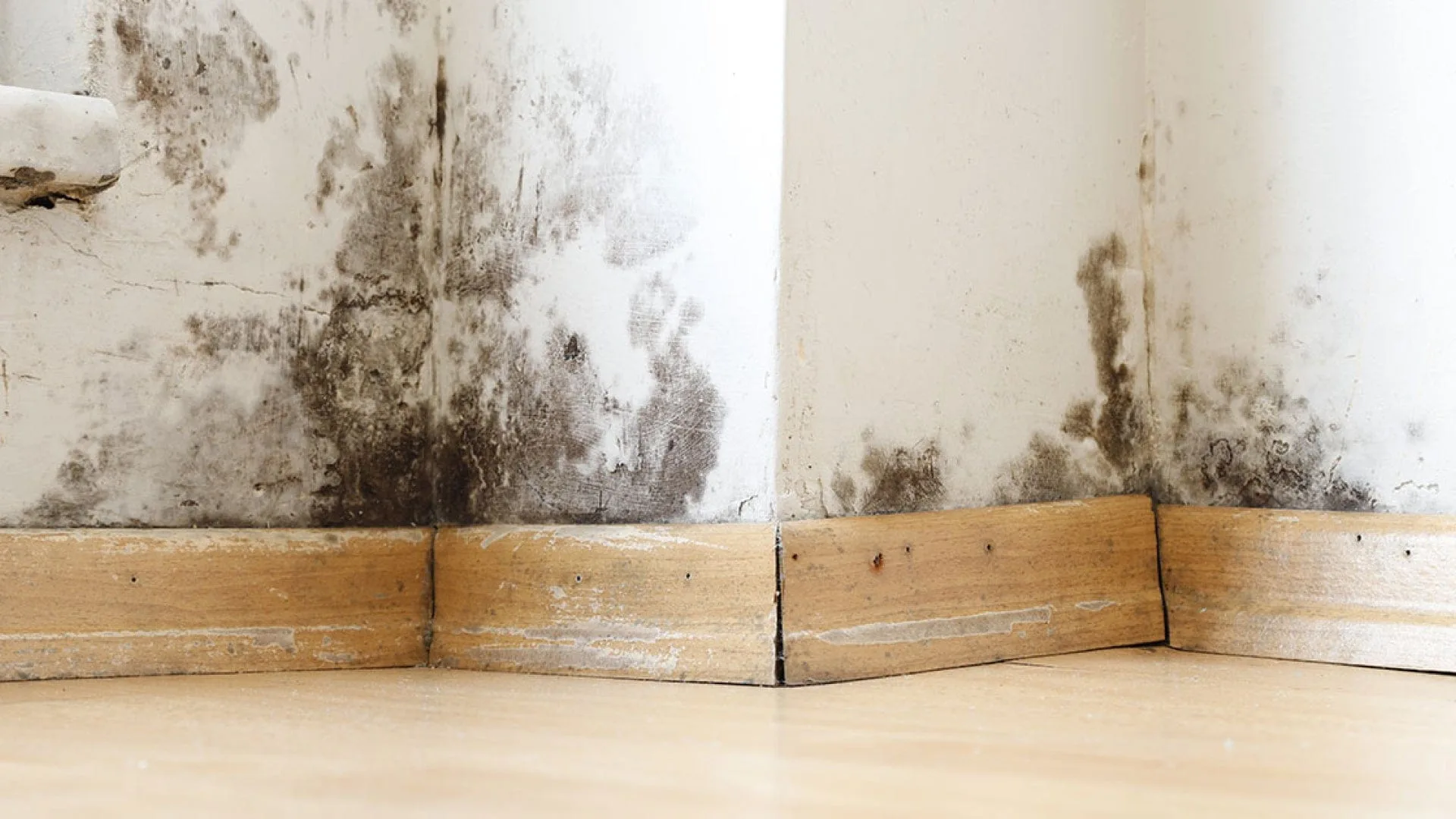
Think you have mould in Markham?
Call us for an inspection. We find the source, scope the problem, and tell you what is needed.
647-563-9966Mould is usually a consequence of water damage that was not fully dried. If you have had a recent flood or backup, see our water damage restoration in Markham. To test the air quality before or after remediation, see our air quality testing service.
Questions from Markham homeowners about mould
Our Markham townhouse has mould on the lower half of a shared wall. The unit next to us had a pipe leak six months ago. Are these connected?
We have an older home in the Unionville area with a stone foundation. There is mould on the concrete floor and lower walls. What are we dealing with?
Our finished basement flooded last year and the insurance company dried it out. Now there is a smell. Did the drying not work?
Our property management company is saying the mould in our condo is our problem, not theirs. What should we know?
Do you test for mould before remediation, or do you just remediate?
Mould problem in Markham?
Call 647-563-9966 to talk to a certified mould specialist.
Available 24/7 • Greater Toronto Area • Bills directly to insurance