
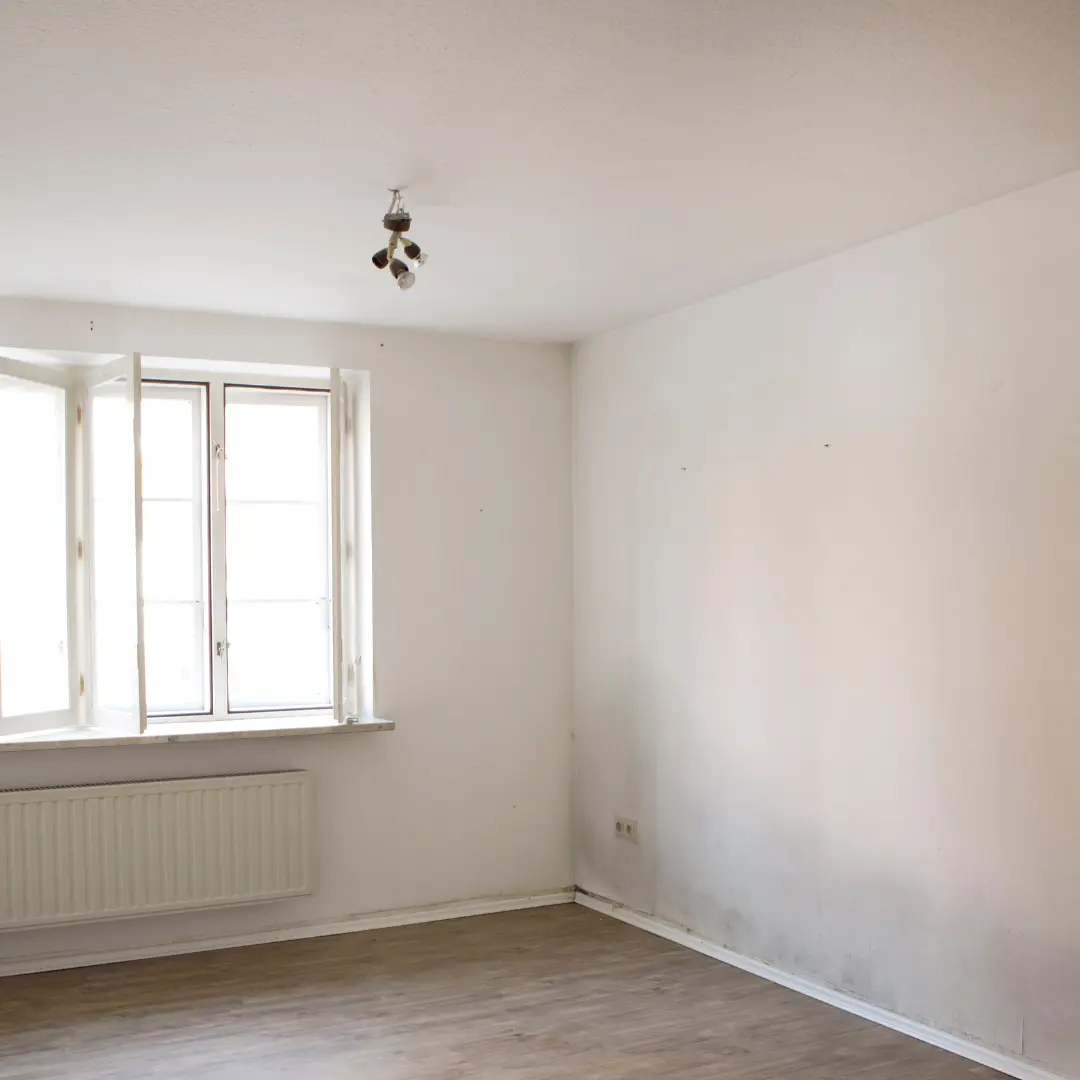
Mould Remediation in Richmond Hill
Mould inspection, containment, and removal for homes and businesses in Richmond Hill. IICRC certified specialists.
Mould removal and inspection in Richmond Hill
Much of Richmond Hill was developed between the 1980s and early 2000s, an era when basement moisture management in new construction was improving but not yet consistent. Many homes from this period have weeping tile systems that are now approaching or past the end of their design life. When weeping tile fails, groundwater that would otherwise drain away from the foundation starts applying pressure against the basement walls. The result is chronic low-level seepage that saturates the wall framing over years and produces mould behind finished basement walls that can be extensive before any surface sign appears.
Homes in Oak Ridges and Jefferson that back onto the Oak Ridges Moraine ravine system face elevated groundwater conditions after prolonged rain. The moraine acts as a sponge, and when the water table rises, properties along its edges see it expressed through basement wall joints and floor cracks. Window wells in the split-levels and two-storey homes common in this area are also a recurring moisture entry point when drains become blocked or the seals around the frame deteriorate.
Richmond Hill's Yonge Street corridor has a concentration of older rental housing with multiple basement suites. Those suites have often seen many tenants and many minor water events over decades of occupancy, and the mould history in those spaces is rarely documented. We inspect thoroughly and give owners a clear picture of what is actually present before any remediation work begins.
Cleaning mould without containment makes it worse
Disturbing mould without negative air pressure containment sends spores through your HVAC system and into every room. The result is cross-contamination that turns a contained problem into a whole-house one. Proper remediation requires the right equipment and training.
Our mould services in Richmond Hill include
- Mould inspection and visual assessment
- Air quality and spore count testing
- Containment with negative air pressure
- Mould removal and disposal of contaminated material
- Antimicrobial treatment with eco-friendly products
- Attic mould assessment and remediation
- Post-remediation clearance air testing
- Residential houses, rental properties, and condominiums
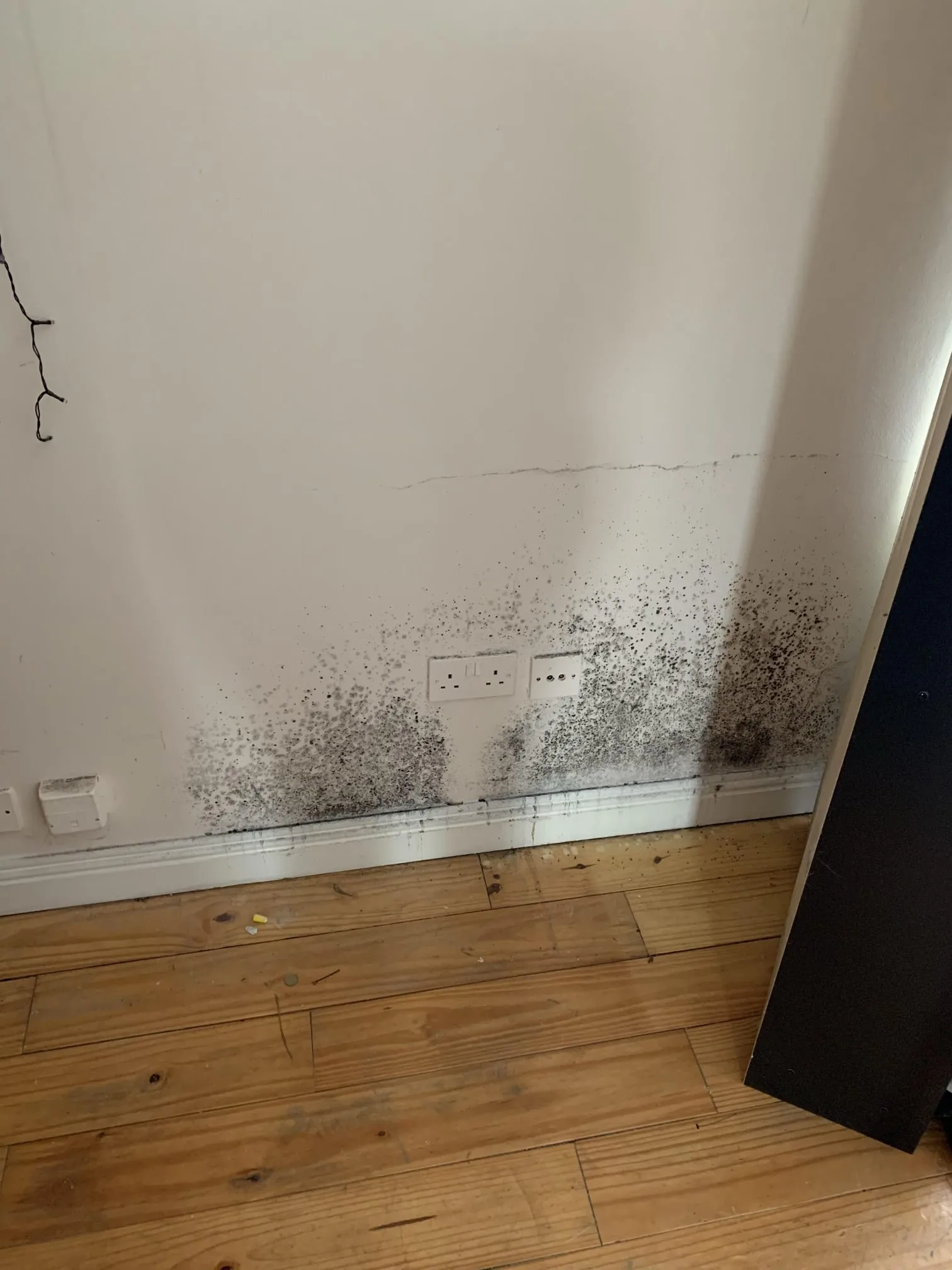
Think you have mould in Richmond Hill?
Call us for an inspection. We find the source, scope the problem, and tell you what is needed.
647-563-9966Mould is usually a consequence of water damage that was not fully dried. If you have had a recent flood or backup, see our water damage restoration in Richmond Hill. To test the air quality before or after remediation, see our air quality testing service.
Questions from Richmond Hill homeowners about mould
We have a 1990s Richmond Hill home and found mould in the storage room behind the furnace. Is that typical?
Our home backs onto a ravine in Oak Ridges. The basement walls are always slightly damp. What should we do before mould becomes an issue?
We had a burst pipe in our Richmond Hill home six months ago. The restoration company said everything was dry. Now there is a smell. What should we do?
Can mould remediation be done without tearing out all the drywall?
Mould problem in Richmond Hill?
Call 647-563-9966 to talk to a certified mould specialist.
Available 24/7 • Greater Toronto Area • Bills directly to insurance